Platform comparison
| Platform | YES odds | NO odds | Fee | KYC | Settlement | |
|---|---|---|---|---|---|---|
Polymarket (via BTC Prediction) Pick polygram.ink (preferred broker) |
0% | 100% | 0% (USDC on-chain) | No-KYC up to $1,500 | USDC, auto via UMA oracle | Open live market → |
Polymarket (direct) polymarket.com |
0% | 100% | 0% | Geo-blocked in US/UK/EU | USDC, on-chain | Open live market → |
Kalshi kalshi.com |
— | — | Up to 7% per trade | US-only, KYC required | USD | Open live market → |
Betfair Exchange betfair.com |
— | — | 2-5% commission | Full KYC from first trade | GBP / EUR | Open live market → |
Manifold Markets manifold.markets |
— | — | Play-money (mana) | None — play-money | Mana (no cash-out) | Open live market → |
Outcome probabilities
Current market-implied probability for each outcome, from the live order book.
| Outcome | Probability |
|---|---|
| August 31 | 0% |
| August 15 | 0% |
Market context
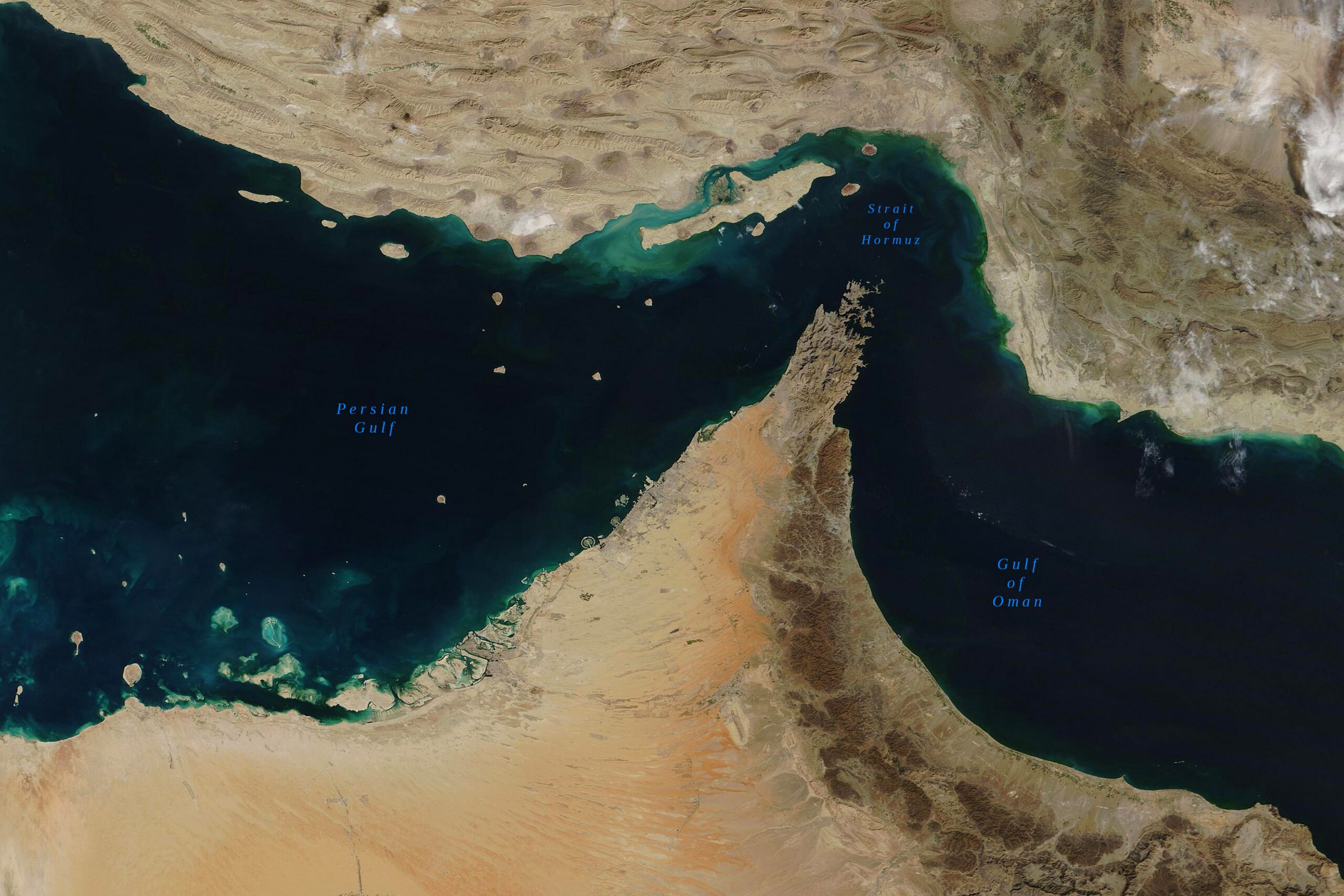
The Strait of Hormuz is still being judged against a very high bar: IMF PortWatch needs a 7-day moving average of at least 60 transit calls, and recent reporting shows the corridor has repeatedly sat well below that level whenever security risk has flared. Reuters said traffic was down to just three commodity vessels on 17 July after renewed US-Iran escalation, while earlier in April it described flows at a virtual standstill, with only seven ships in 24 hours against about 140 normally[15][2]. That makes the current 4% YES probability consistent with a market that is pricing in prolonged disruption rather than a clean return to pre-conflict throughput. [10][14]
Comparable cases have shown how quickly the average can swing, but also how stubborn the recovery can be. In June, vessel counts improved into the 30s, yet remained around half peacetime levels, and Reuters again noted on 26 June that traffic was still not close to pre-conflict norms[4][9]. Reuters and NBC both reported that the ceasefire-related reopening did not translate into an immediate full normalisation, while a 60-day framework and mine-clearing or routing frictions could delay a sustained rebound even if individual sailings resume[12][11]. For this contract, the key is not a single busy day but a persistent 7-day average above 60.
Traders should watch any new maritime security announcements, rerouting advisories, or signs of renewed attacks on commercial shipping, because those are the events most likely to knock the moving average away from the threshold. Reuters reported on 13 and 17 July that fresh strikes and attacks reduced tanker transits and prompted vessels to halt or U-turn, with the Joint Maritime Information Center still describing traffic as reduced[16][15]. In crypto terms, the market’s odds are likely to stay sensitive to headline risk in BTC and ETH if broader risk-off flows strengthen, but the settlement itself is purely on-chain in USDC terms and will turn on IMF PortWatch’s published data, not spot oil prices or funding rates.
Methodology
Methodologically this overview focuses on on-chain pricing: Polymarket's live mid comes from the Polygon conditional-token order book and settles automatically in USDC. The other three venues — Kalshi, Betfair, Manifold — sit alongside as off-chain reference points so you can see how the contract translates across regulatory and settlement regimes.
Resolution & payout
Settlement is on-chain via UMA Optimistic Oracle. A proposer posts the outcome with a bond, a two-hour dispute window opens, then the smart contract lifts winning conditional tokens to 1 USDC and sends payments to holders' wallets automatically. No withdrawal fees beyond Polygon gas.
Off-chain venues (Kalshi, Betfair, Smarkets) settle in local fiat through bank-side clearing — faster than SWIFT, slower than on-chain. Manifold pays no real cash.
UK Frequently Asked Questions
- Why USDC and not ETH or USDT?
- USDC is the Polygon standard — audited reserves (Circle, monthly attestation), deepest order book, low gas costs. ETH volatility would distort probability quotes; USDT has thinner Polygon liquidity than USDC.
- How does UMA secure the resolution?
- The UMA Optimistic Oracle uses a bond system: a proposer posts a bond, a two-hour challenge window opens. On dispute the losing side forfeits the bond — financial incentive for honest resolution.
- Is Polymarket legal in the UK?
- Polymarket is accessible to UK traders but is not UKGC-licensed. It operates under US CFTC jurisdiction. UK residents face no domestic legal prohibition on using it, but UKGC consumer protections do not apply. For UKGC-regulated alternatives, Betfair Exchange and Smarkets offer similar prediction-style markets.
- Do I pay tax on prediction market profits in the UK?
- UKGC-licensed platform profits (Betfair, Smarkets) are typically tax-free gambling winnings for UK individuals. Polymarket profits involve USDC crypto transactions, which HMRC treats as Capital Gains Tax events. Keep full transaction records and report via Self Assessment if gains exceed £3,000 per tax year.
- How do I deposit on Polymarket from the UK?
- UK traders typically fund Polymarket via Coinbase UK, Kraken or Revolut — buying USDC with GBP and transferring to a Polygon-compatible wallet (MetaMask, Coinbase Wallet). Polymarket's onboarding walks you through the bridging process. Typical GBP-to-USDC conversion costs 0.5–1%.
%22%2F%3E%3Cpath%20d%3D%22M%206%2066%20A%2026%2026%200%200%201%2058%2066%22%20fill%3D%22%23E6B98D%22%20opacity%3D%220.9%22%2F%3E%3Ccircle%20cx%3D%2232%22%20cy%3D%2226%22%20r%3D%2222%22%20fill%3D%22%23F5CBA7%22%2F%3E%3Cpath%20d%3D%22M%2010%2026%20A%2022%2028%200%200%201%2054%2026%22%20fill%3D%22%23fbbf24%22%20opacity%3D%220.9%22%2F%3E%3C%2Fsvg%3E) and
and%22%2F%3E%3Cpath%20d%3D%22M%206%2066%20A%2026%2026%200%200%201%2058%2066%22%20fill%3D%22%23E6B98D%22%20opacity%3D%220.9%22%2F%3E%3Ccircle%20cx%3D%2232%22%20cy%3D%2226%22%20r%3D%2222%22%20fill%3D%22%23F5CBA7%22%2F%3E%3Cpath%20d%3D%22M%2010%2018%20Q%2016%204%2026%2010%20Q%2020%202%2032%206%20Q%2044%202%2038%2010%20Q%2048%204%2054%2018%22%20stroke%3D%22%23fbbf24%22%20stroke-width%3D%224%22%20fill%3D%22none%22%20stroke-linecap%3D%22round%22%2F%3E%3C%2Fsvg%3E)
Trade Strait of Hormuz traffic returns to normal by 2026? on BTC Prediction
Live order book, 0% fees, USDC settlement in seconds.
Open live market →