Platform comparison
| Platform | YES odds | NO odds | Fee | KYC | Settlement | |
|---|---|---|---|---|---|---|
Polymarket (via BTC Prediction) Pick polygram.ink (preferred broker) |
85% | 15% | 0% (USDC on-chain) | No-KYC up to $1,500 | USDC, auto via UMA oracle | Open live market → |
Polymarket (direct) polymarket.com |
85% | 15% | 0% | Geo-blocked in US/UK/EU | USDC, on-chain | Open live market → |
Kalshi kalshi.com |
— | — | Up to 7% per trade | US-only, KYC required | USD | Open live market → |
Betfair Exchange betfair.com |
— | — | 2-5% commission | Full KYC from first trade | GBP / EUR | Open live market → |
Manifold Markets manifold.markets |
— | — | Play-money (mana) | None — play-money | Mana (no cash-out) | Open live market → |
Outcome probabilities
Current market-implied probability for each outcome, from the live order book.
| Outcome | Probability |
|---|---|
| <150 | 85% |
| 150-174 | 18% |
| 175-199 | 1% |
| 200-224 | 1% |
| 225+ | 1% |
Market context
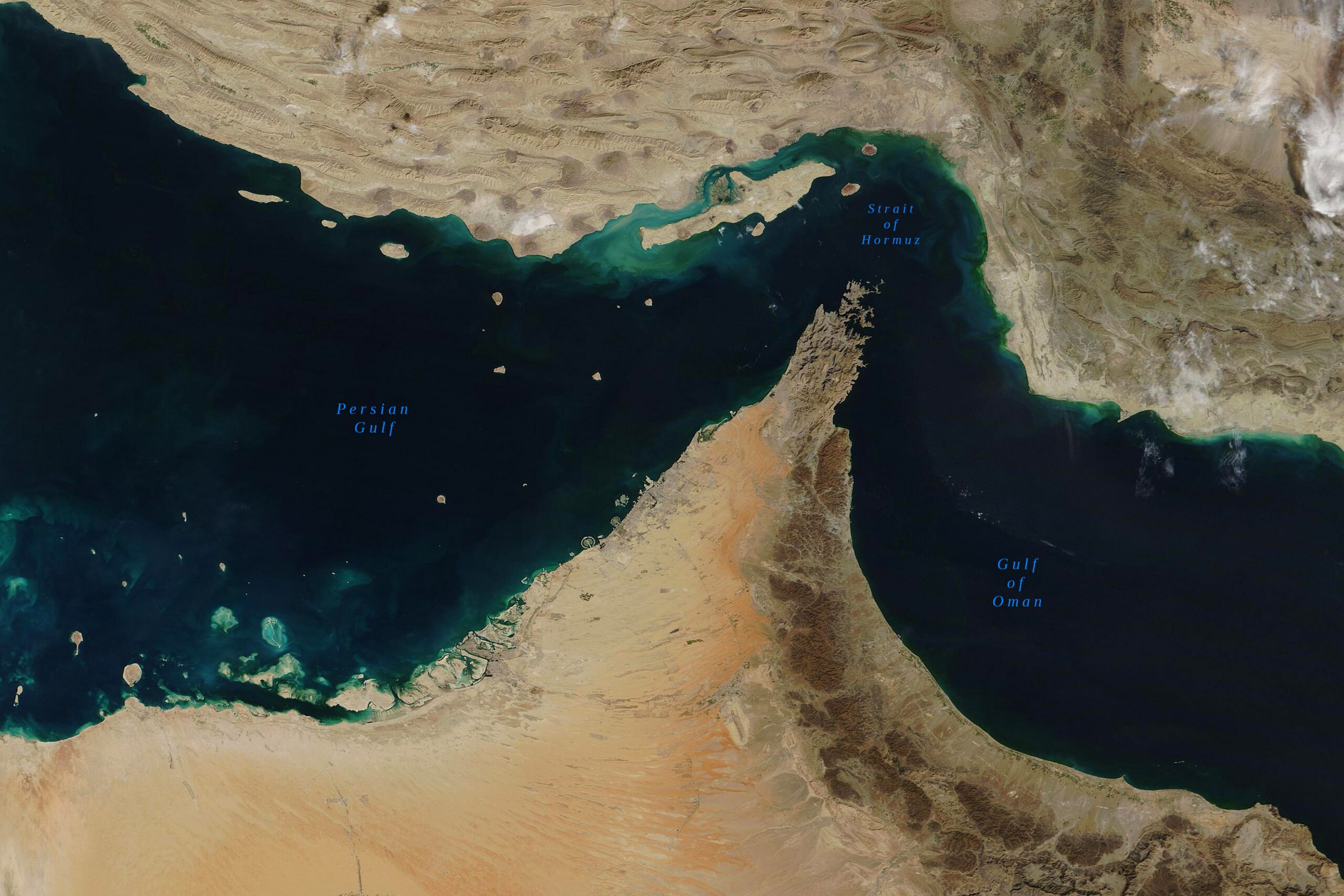
Ships are resuming movement through the Strait of Hormuz after weeks of near-standstill traffic caused by the Iran war, with passages recovering over the weekend of July 6–7, 2026 [5]. This real-world shift directly underpins the 82% crowd-implied YES probability for the market, which settles on the total number of IMF Portwatch-reported transits from July 6 to July 12 inclusive.
Historically, the Strait has seen volatile weekly totals depending on geopolitical tension: in early April 2026, inbound and outbound voyages were as low as 3 and 6 respectively on a single day amid severe outbound restrictions [2][3]. By contrast, pre-conflict weeks often recorded 50–70 vessels, while the recent weekend saw 29 ships on Saturday and only 12 on Sunday after weekend attacks [6]. The current probability suggests traders expect a partial but incomplete recovery, likely landing between 30–45 transits for the week.
Traders should monitor daily updates from Kpler and MarineTraffic for confirmed vessel counts, as attacks or diplomatic announcements can instantly alter flow [1][6]. The IMF Portwatch data must be finalized before settlement, meaning the next day’s data point locks in the prior day’s figure [market description]. Any escalation in the Iran war or new US naval deployments could suppress numbers, while easing tensions would push totals toward historical averages. Settlement occurs automatically once final data for July 12 is available, with USDC payouts on-chain and no manual intervention required.
Methodology
This page reads How many ships transit the Strait of Hormuz week of July 6? on-chain. Polymarket's quote comes directly from the Polygon order book — the only comparable venue with on-chain settlement. Kalshi (USD, off-chain), Betfair (GBP/EUR, off-chain) and Manifold (play-money) are listed alongside for venue context. Every CTA routes to BTC Prediction, which mirrors the Polymarket order book directly.
Resolution & payout
Settlement is on-chain via UMA Optimistic Oracle. A proposer posts the outcome with a bond, a two-hour dispute window opens, then the smart contract lifts winning conditional tokens to 1 USDC and sends payments to holders' wallets automatically. No withdrawal fees beyond Polygon gas.
Off-chain venues (Kalshi, Betfair, Smarkets) settle in local fiat through bank-side clearing — faster than SWIFT, slower than on-chain. Manifold pays no real cash.
FAQ
- What are crypto prediction markets?
- Crypto prediction markets are on-chain smart contracts where you buy YES or NO shares on a future crypto event (e.g. "BTC above $100k by year-end"). The market price between 0¢ and 100¢ is the implied probability.
- Why USDC and not ETH or USDT?
- USDC is the Polygon standard — audited reserves (Circle, monthly attestation), deepest order book, low gas costs. ETH volatility would distort probability quotes; USDT has thinner Polygon liquidity than USDC.
- What does a transaction cost on Polygon?
- Polygon gas is typically under $0.01 per transaction. A full trade cycle (Approve + Order + Fill) totals around $0.03 — compared to $5-50 on Ethereum mainnet.
- How does UMA secure the resolution?
- The UMA Optimistic Oracle uses a bond system: a proposer posts a bond, a two-hour challenge window opens. On dispute the losing side forfeits the bond — financial incentive for honest resolution.
- Which crypto markets exist on Polymarket?
- Currently active markets include BTC/ETH/SOL price targets, halving dates, ETF approvals, hard-fork outcomes and Layer-2 TVL thresholds. The list updates weekly; biggest volume sits on BTC and ETH price forecasts.
%22%2F%3E%3Cpath%20d%3D%22M%206%2066%20A%2026%2026%200%200%201%2058%2066%22%20fill%3D%22%23E6B98D%22%20opacity%3D%220.9%22%2F%3E%3Ccircle%20cx%3D%2232%22%20cy%3D%2226%22%20r%3D%2222%22%20fill%3D%22%23F5CBA7%22%2F%3E%3Cpath%20d%3D%22M%2010%2026%20A%2022%2028%200%200%201%2054%2026%22%20fill%3D%22%23fbbf24%22%20opacity%3D%220.9%22%2F%3E%3C%2Fsvg%3E) and
and%22%2F%3E%3Cpath%20d%3D%22M%206%2066%20A%2026%2026%200%200%201%2058%2066%22%20fill%3D%22%23E6B98D%22%20opacity%3D%220.9%22%2F%3E%3Ccircle%20cx%3D%2232%22%20cy%3D%2226%22%20r%3D%2222%22%20fill%3D%22%23F5CBA7%22%2F%3E%3Cpath%20d%3D%22M%2010%2018%20Q%2016%204%2026%2010%20Q%2020%202%2032%206%20Q%2044%202%2038%2010%20Q%2048%204%2054%2018%22%20stroke%3D%22%23fbbf24%22%20stroke-width%3D%224%22%20fill%3D%22none%22%20stroke-linecap%3D%22round%22%2F%3E%3C%2Fsvg%3E)
Trade How many ships transit the Strait of Hormuz week of … on BTC Prediction
Live order book, 0% fees, USDC settlement in seconds.
Open live market →