Platform comparison
| Platform | YES odds | NO odds | Fee | KYC | Settlement | |
|---|---|---|---|---|---|---|
BTC Prediction Pick polygram.ink |
9% | 91% | 0% (USDC on-chain) | No-KYC up to $1,500 | USDC, auto via UMA oracle | Open on BTC Prediction → |
Polymarket polymarket.com |
9% | 91% | 0% | Geo-blocked in US/UK/EU | USDC, on-chain | Open on BTC Prediction → |
Kalshi kalshi.com |
— | — | Up to 7% per trade | US-only, KYC required | USD | Open on BTC Prediction → |
Betfair Exchange betfair.com |
— | — | 2-5% commission | Full KYC from first trade | GBP / EUR | Open on BTC Prediction → |
Manifold Markets manifold.markets |
— | — | Play-money (mana) | None — play-money | Mana (no cash-out) | Open on BTC Prediction → |
Live odds for Polymarket-based markets come from the Polygon order book. Non-Polymarket venues show attributes only; clicking any row opens the market on BTC Prediction.
Market context
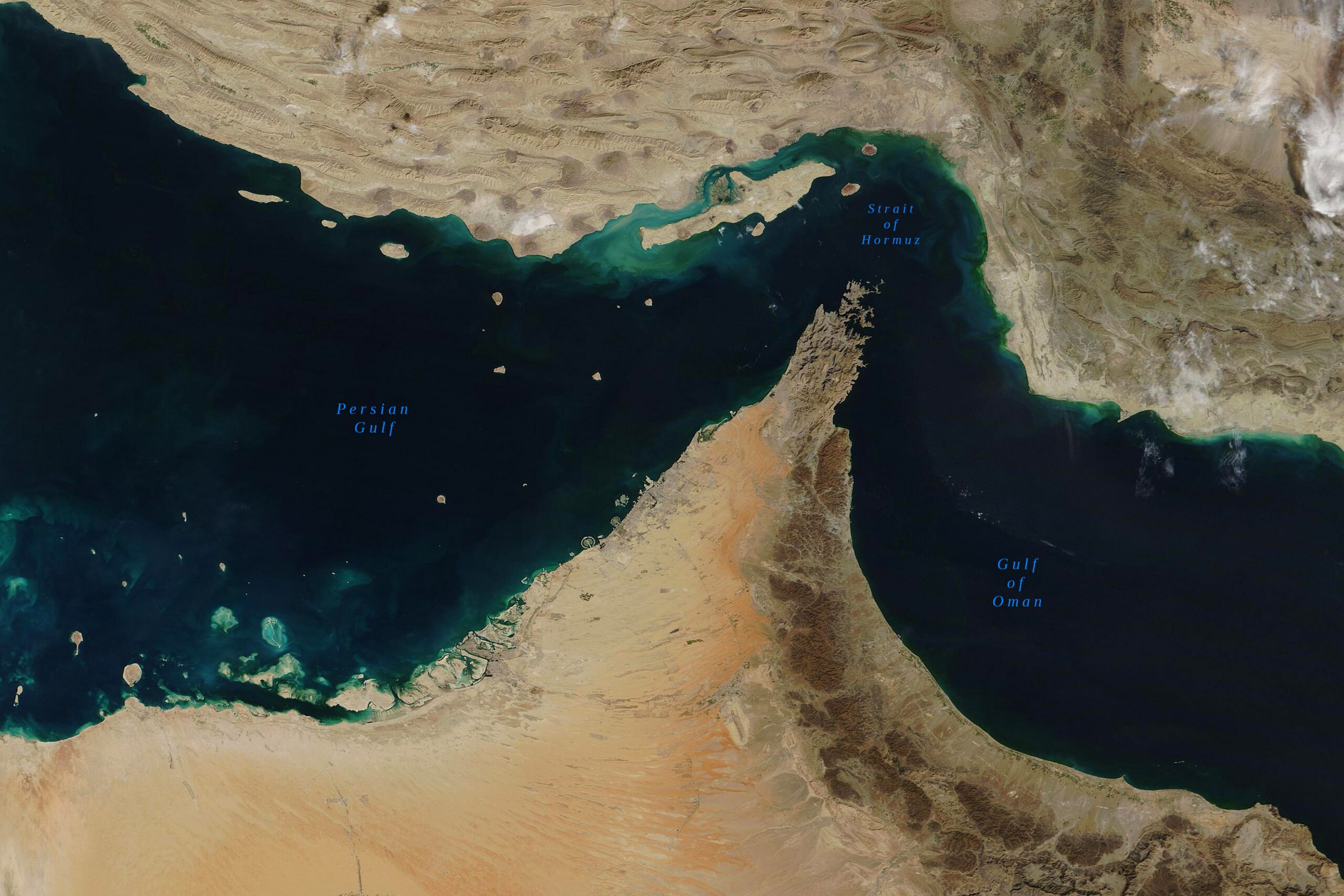
The Strait of Hormuz handles roughly one-third of global seaborne oil trade, yet daily transit call volumes have remained depressed well into 2025. The market asks whether a 7-day moving average of 60 arrivals—measured across container, tanker, bulk, and general cargo vessels tracked by IMF Portwatch—will materialise by mid-June 2026. Pre-disruption baseline traffic typically ranged between 70 and 90 daily transits; current levels sit substantially below that threshold, reflecting ongoing geopolitical tension, Houthi attacks on shipping, and rerouting via the Cape of Good Hope despite higher fuel and time costs.
Historical precedent offers limited comfort for the 8% YES crowd. The 2019 tanker seizures and 2022 Russian sanctions each produced traffic shocks that took 18–24 months to resolve through either diplomatic settlement or market adaptation. The current environment differs: Houthi operations show no sign of ceasing absent a Gaza ceasefire, whilst Iran's proxy networks remain entrenched. Even optimistic scenarios—such as a regional de-escalation or successful air-defence upgrades by coalition forces—would require measurable impact on attack frequency before shipping insurers and operators resume normal routing. Comparable chokepoint disruptions (Suez blockade, 2021) took 3–4 months to clear; the Hormuz situation involves active, recurring threat rather than a single obstruction.
Traders should monitor ceasefire negotiations in Gaza, Houthi statements on targeting criteria, and US naval posture announcements. Recent reports from Lloyd's List and Reuters indicate insurers remain sceptical of rapid normalisation. Any uptick in transit calls will likely emerge gradually through Q2 2026 rather than as a discrete jump, making the 60-call threshold difficult to breach within the settlement window unless geopolitical conditions shift materially and irreversibly.
Methodology
Methodologically this overview focuses on on-chain pricing: Polymarket's live mid comes from the Polygon conditional-token order book and settles automatically in USDC. The other three venues — Kalshi, Betfair, Manifold — are listed with their platform attributes, because they operate off-chain and a 1:1 comparison of contract mechanics isn't possible.
Resolution & payout
Settlement is on-chain via UMA Optimistic Oracle. A proposer posts the outcome with a bond, a two-hour dispute window opens, then the smart contract lifts winning conditional tokens to 1 USDC and sends payments to holders' wallets automatically. No withdrawal fees beyond Polygon gas.
Off-chain venues (Kalshi, Betfair, Smarkets) settle in local fiat through bank-side clearing — faster than SWIFT, slower than on-chain. Manifold pays no real cash.
FAQ
- Where can I trade this market with the lowest fees?
- On BTC Prediction, which mirrors the Polymarket order book at 0% fees. Kalshi charges up to 7% per trade; Betfair Exchange takes 2-5% commission on net winnings.
- How does resolution work?
- Through the UMA Optimistic Oracle on Polygon: a proposer submits the outcome, a two-hour challenge window opens, and USDC payouts settle automatically once the result is final.
- What's the difference between YES and NO shares?
- A YES share pays $1.00 if the event happens, $0 otherwise. A NO share pays $1.00 if the event doesn't happen. The market price between 0¢ and 100¢ is the implied probability.
- What does it cost to trade on BTC Prediction?
- Zero. BTC Prediction routes every order to the live Polymarket order book; the only cost is the Polygon network fee, typically under $0.01 per transaction.
- How fast are USDC deposits?
- Polygon credits deposits after 12 confirmations — usually under 30 seconds. Withdrawals follow the same path and land back in your wallet within minutes.
%22%2F%3E%3Cpath%20d%3D%22M%206%2066%20A%2026%2026%200%200%201%2058%2066%22%20fill%3D%22%23E6B98D%22%20opacity%3D%220.9%22%2F%3E%3Ccircle%20cx%3D%2232%22%20cy%3D%2226%22%20r%3D%2222%22%20fill%3D%22%23F5CBA7%22%2F%3E%3Cpath%20d%3D%22M%2010%2026%20A%2022%2028%200%200%201%2054%2026%22%20fill%3D%22%23fbbf24%22%20opacity%3D%220.9%22%2F%3E%3C%2Fsvg%3E) and
and%22%2F%3E%3Cpath%20d%3D%22M%206%2066%20A%2026%2026%200%200%201%2058%2066%22%20fill%3D%22%23E6B98D%22%20opacity%3D%220.9%22%2F%3E%3Ccircle%20cx%3D%2232%22%20cy%3D%2226%22%20r%3D%2222%22%20fill%3D%22%23F5CBA7%22%2F%3E%3Cpath%20d%3D%22M%2010%2018%20Q%2016%204%2026%2010%20Q%2020%202%2032%206%20Q%2044%202%2038%2010%20Q%2048%204%2054%2018%22%20stroke%3D%22%23fbbf24%22%20stroke-width%3D%224%22%20fill%3D%22none%22%20stroke-linecap%3D%22round%22%2F%3E%3C%2Fsvg%3E)
Trade Strait of Hormuz traffic returns to normal by June 15? on BTC Prediction
Live order book, 0% fees, USDC settlement in seconds.
Trade on BTC Prediction →