Platform comparison
| Platform | YES odds | NO odds | Fee | KYC | Settlement | |
|---|---|---|---|---|---|---|
Polymarket (via BTC Prediction) Pick polygram.ink (preferred broker) |
5% | 95% | 0% (USDC on-chain) | No-KYC up to $1,500 | USDC, auto via UMA oracle | Open live market → |
Polymarket (direct) polymarket.com |
5% | 95% | 0% | Geo-blocked in US/UK/EU | USDC, on-chain | Open live market → |
Kalshi kalshi.com |
— | — | Up to 7% per trade | US-only, KYC required | USD | Open live market → |
Betfair Exchange betfair.com |
— | — | 2-5% commission | Full KYC from first trade | GBP / EUR | Open live market → |
Manifold Markets manifold.markets |
— | — | Play-money (mana) | None — play-money | Mana (no cash-out) | Open live market → |
Outcome probabilities
Current market-implied probability for each outcome, from the live order book.
| Outcome | Probability |
|---|---|
| August 31 | 5% |
| July 31 | 1% |
Market context
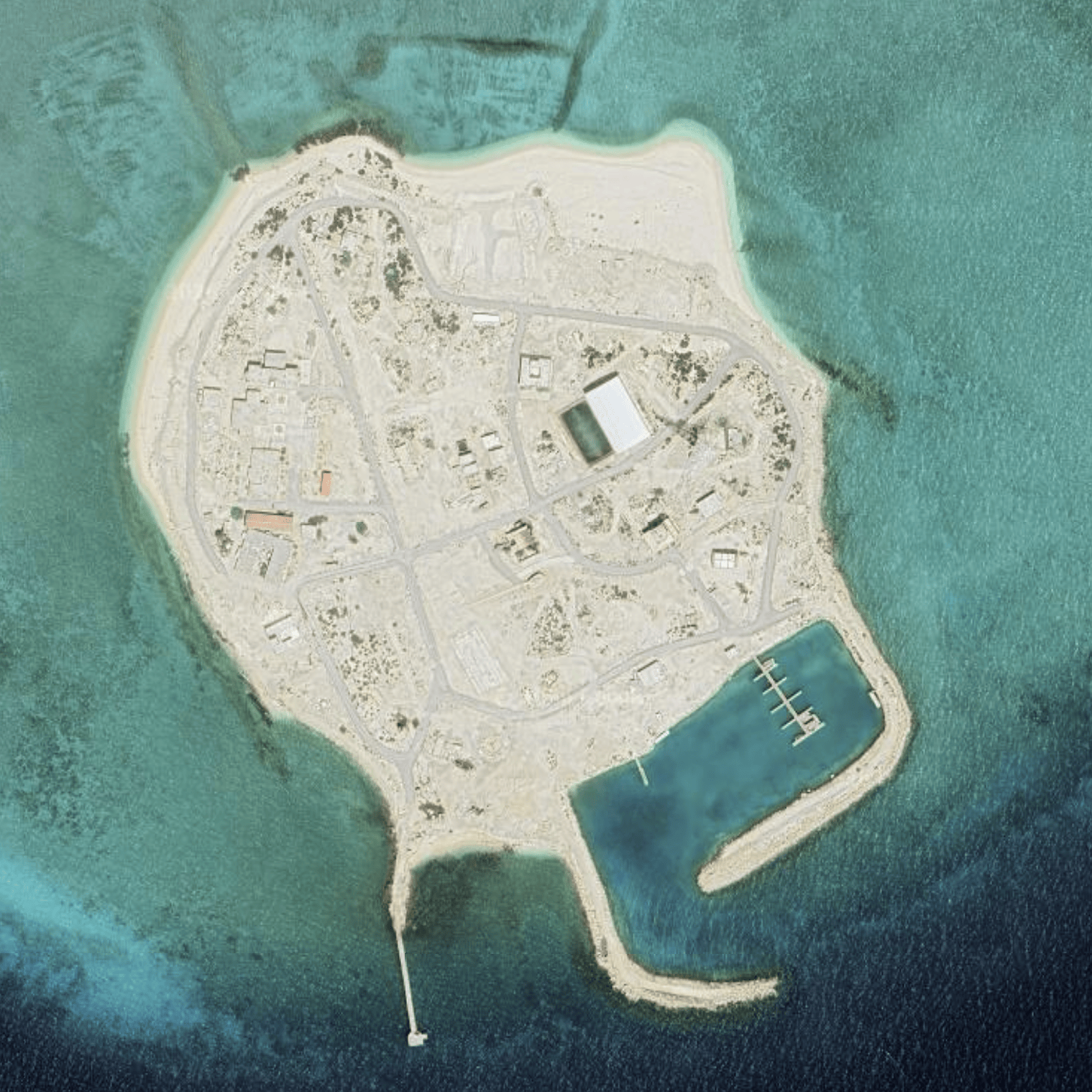
Farsi Island is a small Iranian-held island in the Persian Gulf, so the contract only pays out if control changes hands in a durable, state-level way rather than through a raid, airstrike, or temporary interruption. Its location matters because even minor shifts around Gulf maritime security can be misread by markets, but the resolution standard here is strict: another authority would need to establish primary governmental or military control over the island, not merely contest it.[1]
The 1% implied probability fits a pattern seen in prediction markets for territorial control events that require a formal transfer of sovereignty or occupation. Comparable outcomes usually stay near zero unless there is a clear war escalation, a negotiated handover, or a collapse of local command structures; absent that, islands and chokepoints tend to remain with the incumbent state because their value is tied to naval access and surveillance rather than easy seizure.[2]
For traders, the main catalysts are any official Iranian military announcements, unusual naval deployments, or credible reporting of a broader Gulf conflict that could affect island garrisons. Because the market settles in USDC, the practical driver is still event risk rather than crypto settlement mechanics, though sharp BTC or ETH volatility can change risk appetite and spread conditions across the venue if macro stress lifts or drains overall speculative flow.[2]
Methodology
Methodologically this overview focuses on on-chain pricing: Polymarket's live mid comes from the Polygon conditional-token order book and settles automatically in USDC. The other three venues — Kalshi, Betfair, Manifold — sit alongside as off-chain reference points so you can see how the contract translates across regulatory and settlement regimes.
Resolution & payout
Settlement is on-chain via UMA Optimistic Oracle. A proposer posts the outcome with a bond, a two-hour dispute window opens, then the smart contract lifts winning conditional tokens to 1 USDC and sends payments to holders' wallets automatically. No withdrawal fees beyond Polygon gas.
Off-chain venues (Kalshi, Betfair, Smarkets) settle in local fiat through bank-side clearing — faster than SWIFT, slower than on-chain. Manifold pays no real cash.
FAQ
- What does a transaction cost on Polygon?
- Polygon gas is typically under $0.01 per transaction. A full trade cycle (Approve + Order + Fill) totals around $0.03 — compared to $5-50 on Ethereum mainnet.
- Can I use Bitcoin directly?
- No, Polymarket operates exclusively in USDC on Polygon. You can bridge BTC to USDC via an exchange or bridge service and deposit on Polygon — typically 10-30 minutes processing time.
- How volatile are crypto prediction markets?
- Crypto markets react to spot prices — a 5% BTC move typically shifts a "BTC above X by date" market 10-20%. Polymarket crypto market liquidity is usually six-figure USD, sufficient for active trading.
- Which crypto markets exist on Polymarket?
- Currently active markets include BTC/ETH/SOL price targets, halving dates, ETF approvals, hard-fork outcomes and Layer-2 TVL thresholds. The list updates weekly; biggest volume sits on BTC and ETH price forecasts.
- Are crypto prediction markets taxable in the US?
- In the US, prediction market gains are typically treated as ordinary income or short-term capital gains depending on holding period. Consult a tax professional for your specific situation — we cannot provide tax advice.
%22%2F%3E%3Cpath%20d%3D%22M%206%2066%20A%2026%2026%200%200%201%2058%2066%22%20fill%3D%22%23E6B98D%22%20opacity%3D%220.9%22%2F%3E%3Ccircle%20cx%3D%2232%22%20cy%3D%2226%22%20r%3D%2222%22%20fill%3D%22%23F5CBA7%22%2F%3E%3Cpath%20d%3D%22M%2010%2026%20A%2022%2028%200%200%201%2054%2026%22%20fill%3D%22%23fbbf24%22%20opacity%3D%220.9%22%2F%3E%3C%2Fsvg%3E) and
and%22%2F%3E%3Cpath%20d%3D%22M%206%2066%20A%2026%2026%200%200%201%2058%2066%22%20fill%3D%22%23E6B98D%22%20opacity%3D%220.9%22%2F%3E%3Ccircle%20cx%3D%2232%22%20cy%3D%2226%22%20r%3D%2222%22%20fill%3D%22%23F5CBA7%22%2F%3E%3Cpath%20d%3D%22M%2010%2018%20Q%2016%204%2026%2010%20Q%2020%202%2032%206%20Q%2044%202%2038%2010%20Q%2048%204%2054%2018%22%20stroke%3D%22%23fbbf24%22%20stroke-width%3D%224%22%20fill%3D%22none%22%20stroke-linecap%3D%22round%22%2F%3E%3C%2Fsvg%3E)
Trade Farsi Island no longer under Iranian control by 2026? on BTC Prediction
Live order book, 0% fees, USDC settlement in seconds.
Open live market →