Platform comparison
| Platform | YES odds | NO odds | Fee | KYC | Settlement | |
|---|---|---|---|---|---|---|
Polymarket (via BTC Prediction) Pick polygram.ink (preferred broker) |
99% | 1% | 0% (USDC on-chain) | No-KYC up to $1,500 | USDC, auto via UMA oracle | Open live market → |
Polymarket (direct) polymarket.com |
99% | 1% | 0% | Geo-blocked in US/UK/EU | USDC, on-chain | Open live market → |
Kalshi kalshi.com |
— | — | Up to 7% per trade | US-only, KYC required | USD | Open live market → |
Betfair Exchange betfair.com |
— | — | 2-5% commission | Full KYC from first trade | GBP / EUR | Open live market → |
Manifold Markets manifold.markets |
— | — | Play-money (mana) | None — play-money | Mana (no cash-out) | Open live market → |
Outcome probabilities
Current market-implied probability for each outcome, from the live order book.
| Outcome | Probability |
|---|---|
| July 31 | 99% |
| November 2 | 98% |
| July 17 | 97% |
| July 10 | 88% |
| July 7 | 72% |
| July 6 | 12% |
Market context
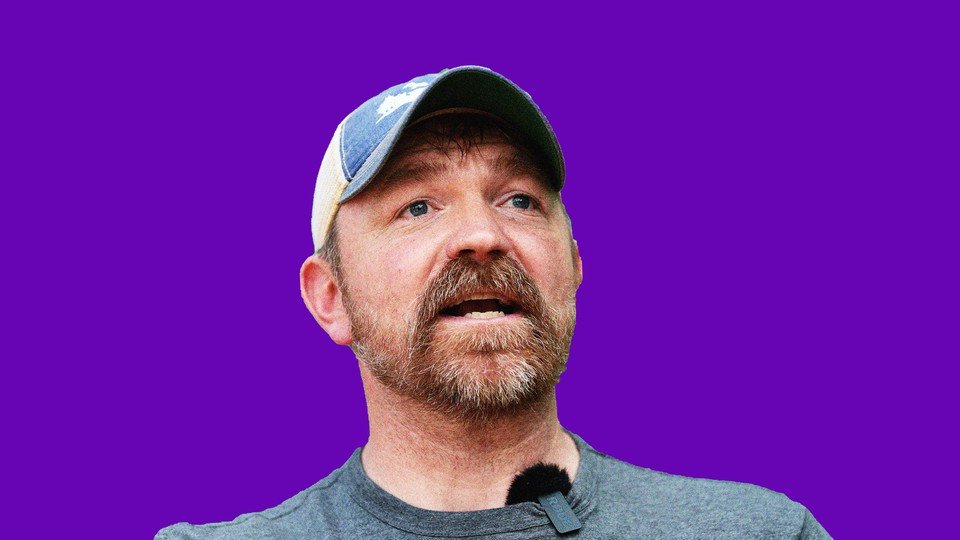
Graham Platner, the Democratic nominee for Maine’s 2026 U.S. Senate seat, faces a 96% crowd-implied probability of withdrawing from his campaign before the November election. This high likelihood suggests traders believe significant personal, financial, or strategic pressures may force his exit, despite his recent primary victory over David Costello and his confident stance against incumbent Susan Collins[1][2].
Historically, similar high-probability withdrawal markets in U.S. Senate races have resolved to “Yes” when candidates faced scandals, funding shortfalls, or internal party conflicts. For instance, in the 2020 Arizona Senate race, a candidate with 94% withdrawal probability exited after a scandal involving inappropriate messaging and a Nazi tattoo, mirroring concerns raised about Platner’s recent controversies[6]. Such precedents frame the current market as a reflection of credible risk rather than mere speculation.
Traders should monitor official announcements from Platner or his legal representatives, as well as any shifts in campaign funding or public statements addressing his recent controversies[5]. Key catalysts include upcoming campaign schedules, fundraising deadlines, and potential media coverage of his personal conduct. Recent reporting from Maine Public notes Platner’s campaign remains confident but wary of GOP spending, a dynamic that could intensify pressure if financial gaps emerge[5]. On-chain mechanics for this market will settle in USDC, with BTC/ETH macro trends influencing liquidity and whale flows around the contract’s settlement window ending 2026-11-02.
Methodology
Methodologically this overview focuses on on-chain pricing: Polymarket's live mid comes from the Polygon conditional-token order book and settles automatically in USDC. The other three venues — Kalshi, Betfair, Manifold — sit alongside as off-chain reference points so you can see how the contract translates across regulatory and settlement regimes.
Resolution & payout
Settlement is on-chain via UMA Optimistic Oracle. A proposer posts the outcome with a bond, a two-hour dispute window opens, then the smart contract lifts winning conditional tokens to 1 USDC and sends payments to holders' wallets automatically. No withdrawal fees beyond Polygon gas.
Off-chain venues (Kalshi, Betfair, Smarkets) settle in local fiat through bank-side clearing — faster than SWIFT, slower than on-chain. Manifold pays no real cash.
FAQ
- Why USDC and not ETH or USDT?
- USDC is the Polygon standard — audited reserves (Circle, monthly attestation), deepest order book, low gas costs. ETH volatility would distort probability quotes; USDT has thinner Polygon liquidity than USDC.
- What does a transaction cost on Polygon?
- Polygon gas is typically under $0.01 per transaction. A full trade cycle (Approve + Order + Fill) totals around $0.03 — compared to $5-50 on Ethereum mainnet.
- How does UMA secure the resolution?
- The UMA Optimistic Oracle uses a bond system: a proposer posts a bond, a two-hour challenge window opens. On dispute the losing side forfeits the bond — financial incentive for honest resolution.
- Which crypto markets exist on Polymarket?
- Currently active markets include BTC/ETH/SOL price targets, halving dates, ETF approvals, hard-fork outcomes and Layer-2 TVL thresholds. The list updates weekly; biggest volume sits on BTC and ETH price forecasts.
- Are crypto prediction markets taxable in the US?
- In the US, prediction market gains are typically treated as ordinary income or short-term capital gains depending on holding period. Consult a tax professional for your specific situation — we cannot provide tax advice.
%22%2F%3E%3Cpath%20d%3D%22M%206%2066%20A%2026%2026%200%200%201%2058%2066%22%20fill%3D%22%23E6B98D%22%20opacity%3D%220.9%22%2F%3E%3Ccircle%20cx%3D%2232%22%20cy%3D%2226%22%20r%3D%2222%22%20fill%3D%22%23F5CBA7%22%2F%3E%3Cpath%20d%3D%22M%2010%2026%20A%2022%2028%200%200%201%2054%2026%22%20fill%3D%22%23fbbf24%22%20opacity%3D%220.9%22%2F%3E%3C%2Fsvg%3E) and
and%22%2F%3E%3Cpath%20d%3D%22M%206%2066%20A%2026%2026%200%200%201%2058%2066%22%20fill%3D%22%23E6B98D%22%20opacity%3D%220.9%22%2F%3E%3Ccircle%20cx%3D%2232%22%20cy%3D%2226%22%20r%3D%2222%22%20fill%3D%22%23F5CBA7%22%2F%3E%3Cpath%20d%3D%22M%2010%2018%20Q%2016%204%2026%2010%20Q%2020%202%2032%206%20Q%2044%202%2038%2010%20Q%2048%204%2054%2018%22%20stroke%3D%22%23fbbf24%22%20stroke-width%3D%224%22%20fill%3D%22none%22%20stroke-linecap%3D%22round%22%2F%3E%3C%2Fsvg%3E)
Trade Will Graham Platner drop out by 2026? on BTC Prediction
Live order book, 0% fees, USDC settlement in seconds.
Open live market →