Platform comparison
| Platform | YES odds | NO odds | Fee | KYC | Settlement | |
|---|---|---|---|---|---|---|
Polymarket (via BTC Prediction) Pick polygram.ink (preferred broker) |
11% | 89% | 0% (USDC on-chain) | No-KYC up to $1,500 | USDC, auto via UMA oracle | Open live market → |
Polymarket (direct) polymarket.com |
11% | 89% | 0% | Geo-blocked in US/UK/EU | USDC, on-chain | Open live market → |
Kalshi kalshi.com |
— | — | Up to 7% per trade | US-only, KYC required | USD | Open live market → |
Betfair Exchange betfair.com |
— | — | 2-5% commission | Full KYC from first trade | GBP / EUR | Open live market → |
Manifold Markets manifold.markets |
— | — | Play-money (mana) | None — play-money | Mana (no cash-out) | Open live market → |
Market context
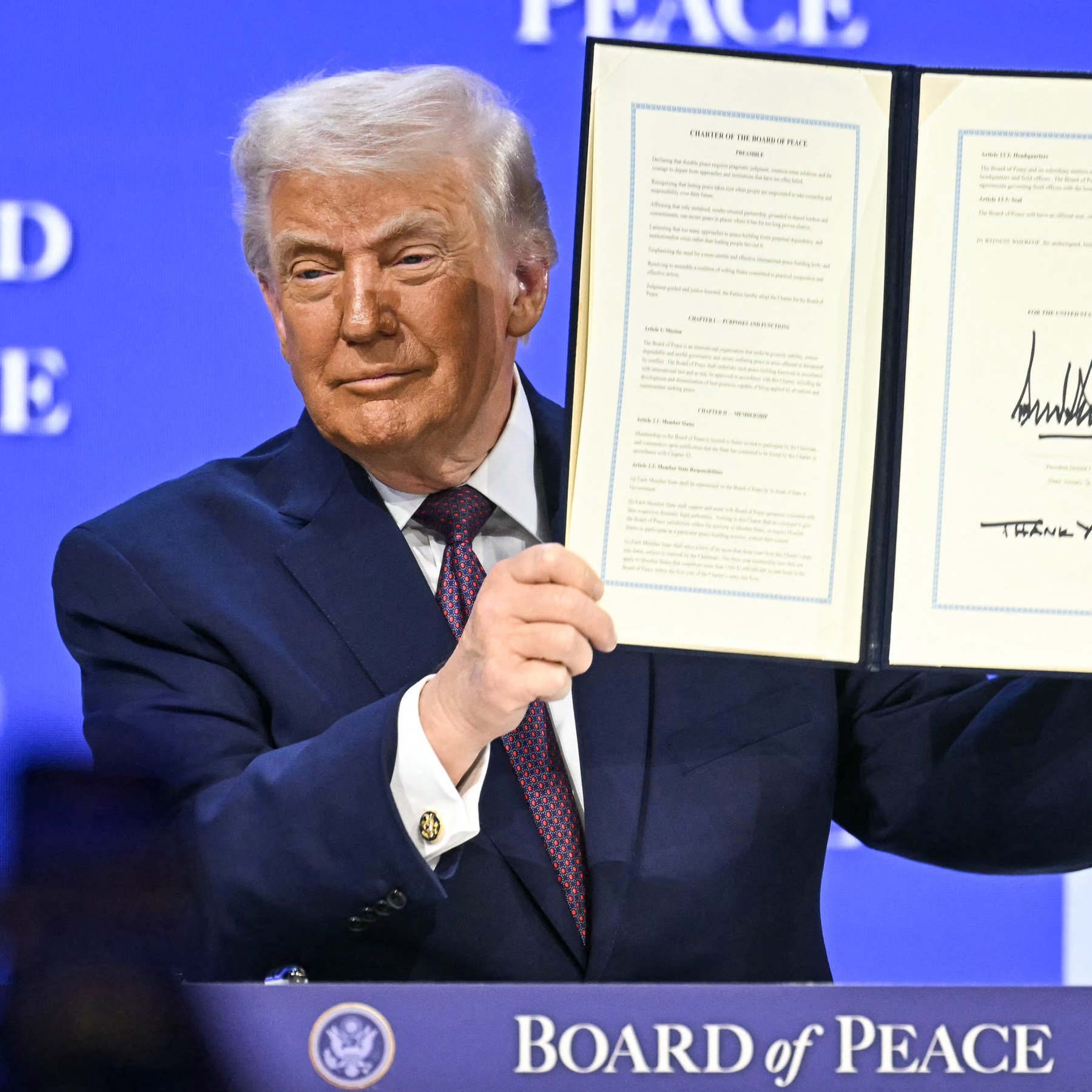
Israel has **not publicly accepted** the Board of Peace roadmap, and that is the key fact behind the market’s low 11% implied price. Reporting since the 30 July announcement has repeatedly noted that Israel objected to the plan’s wording on Hamas disarmament and argued it did not yet meet Israel’s security demands, while the framework itself ties Israeli withdrawal to verified progress on weapons removal and demilitarisation.[1][2][12] In other words, a “Yes” requires a formal Israeli acceptance of a plan that already embeds sequencing and conditions, not just continued ceasefire diplomacy.[2][4][8]
The market should be read against a familiar pattern in Gaza negotiations: headline breakthroughs often produce sharp repricing, then fade when implementation details, verification steps, or sequencing disputes re-emerge. Comparable coverage from late July and early August has stressed that Hamas said it would move on disarmament only if Israel halted military activity and began pulling back, while Israeli officials insisted withdrawal comes later and only after disarmament is verified.[6][8][13] That kind of mutual conditionality usually lowers the odds of a clean, on-time acceptance, especially when the text requires formal endorsement rather than indirect signalling.[2][12]
For traders, the main catalysts are any Israeli cabinet or government statement, changes to the ceasefire implementation schedule, and whether mediators release a revised or successor draft that Israel can plausibly endorse before 7 August.[6][12] Bloomberg reported fresh Israeli strikes in Gaza on 3 August, underscoring how quickly battlefield developments can undermine momentum around the plan.[10] On Polymarket, the contract settles in USDC, so the relevant driver is not the underlying military situation alone but whether a qualifying public acceptance is announced before the deadline; in crypto terms, any sharp risk-off move in BTC or ETH would matter mainly if it spills into broader event-market liquidity rather than changing the legal settlement standard.
Methodology
Methodologically this overview focuses on on-chain pricing: Polymarket's live mid comes from the Polygon conditional-token order book and settles automatically in USDC. The other three venues — Kalshi, Betfair, Manifold — sit alongside as off-chain reference points so you can see how the contract translates across regulatory and settlement regimes.
Resolution & payout
Settlement is on-chain via UMA Optimistic Oracle. A proposer posts the outcome with a bond, a two-hour dispute window opens, then the smart contract lifts winning conditional tokens to 1 USDC and sends payments to holders' wallets automatically. No withdrawal fees beyond Polygon gas.
Off-chain venues (Kalshi, Betfair, Smarkets) settle in local fiat through bank-side clearing — faster than SWIFT, slower than on-chain. Manifold pays no real cash.
FAQ
- Why USDC and not ETH or USDT?
- USDC is the Polygon standard — audited reserves (Circle, monthly attestation), deepest order book, low gas costs. ETH volatility would distort probability quotes; USDT has thinner Polygon liquidity than USDC.
- What does a transaction cost on Polygon?
- Polygon gas is typically under $0.01 per transaction. A full trade cycle (Approve + Order + Fill) totals around $0.03 — compared to $5-50 on Ethereum mainnet.
- How does UMA secure the resolution?
- The UMA Optimistic Oracle uses a bond system: a proposer posts a bond, a two-hour challenge window opens. On dispute the losing side forfeits the bond — financial incentive for honest resolution.
- How volatile are crypto prediction markets?
- Crypto markets react to spot prices — a 5% BTC move typically shifts a "BTC above X by date" market 10-20%. Polymarket crypto market liquidity is usually six-figure USD, sufficient for active trading.
- Which crypto markets exist on Polymarket?
- Currently active markets include BTC/ETH/SOL price targets, halving dates, ETF approvals, hard-fork outcomes and Layer-2 TVL thresholds. The list updates weekly; biggest volume sits on BTC and ETH price forecasts.
%22%2F%3E%3Cpath%20d%3D%22M%206%2066%20A%2026%2026%200%200%201%2058%2066%22%20fill%3D%22%23E6B98D%22%20opacity%3D%220.9%22%2F%3E%3Ccircle%20cx%3D%2232%22%20cy%3D%2226%22%20r%3D%2222%22%20fill%3D%22%23F5CBA7%22%2F%3E%3Cpath%20d%3D%22M%2010%2026%20A%2022%2028%200%200%201%2054%2026%22%20fill%3D%22%23fbbf24%22%20opacity%3D%220.9%22%2F%3E%3C%2Fsvg%3E) and
and%22%2F%3E%3Cpath%20d%3D%22M%206%2066%20A%2026%2026%200%200%201%2058%2066%22%20fill%3D%22%23E6B98D%22%20opacity%3D%220.9%22%2F%3E%3Ccircle%20cx%3D%2232%22%20cy%3D%2226%22%20r%3D%2222%22%20fill%3D%22%23F5CBA7%22%2F%3E%3Cpath%20d%3D%22M%2010%2018%20Q%2016%204%2026%2010%20Q%2020%202%2032%206%20Q%2044%202%2038%2010%20Q%2048%204%2054%2018%22%20stroke%3D%22%23fbbf24%22%20stroke-width%3D%224%22%20fill%3D%22none%22%20stroke-linecap%3D%22round%22%2F%3E%3C%2Fsvg%3E)
Trade Israel agrees to Board of Peace Gaza plan by August 7? on BTC Prediction
Live order book, 0% fees, USDC settlement in seconds.
Open live market →